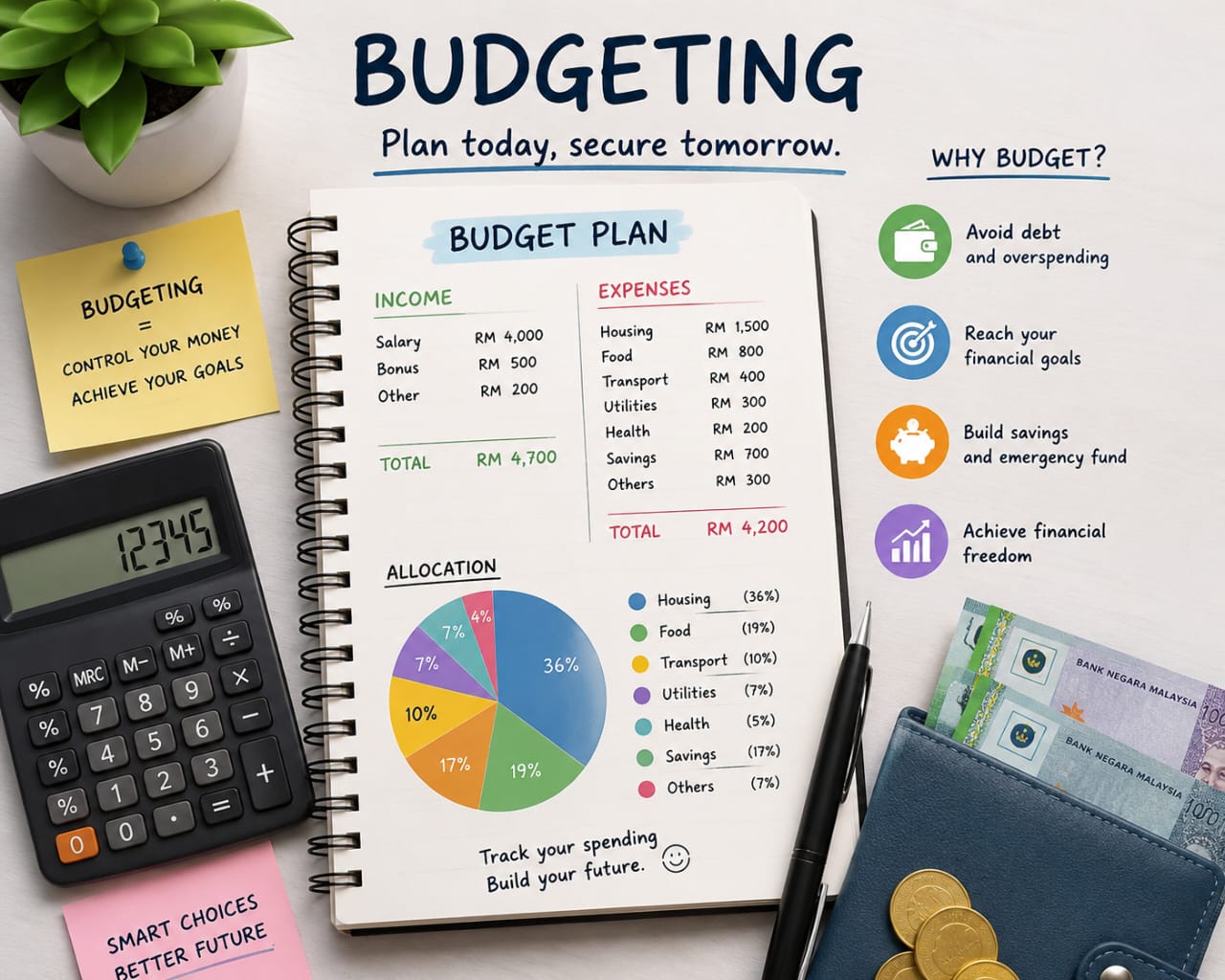
If you have ever reached the end of the month wondering where all your money went, you are not alone. Rising living costs, unexpected bills, and small daily purchases can quietly drain a budget. The good news is that budgeting does not have to be complicated—whether you are a student, working professional, freelancer, or e-hailing driver.
A budget is more than a list of numbers. It gives you a clear picture of your income, expenses, and savings so you can make smarter decisions. Budgeting helps reduce unnecessary spending, prepares you for emergencies, and ensures every Ringgit works toward your financial goals.
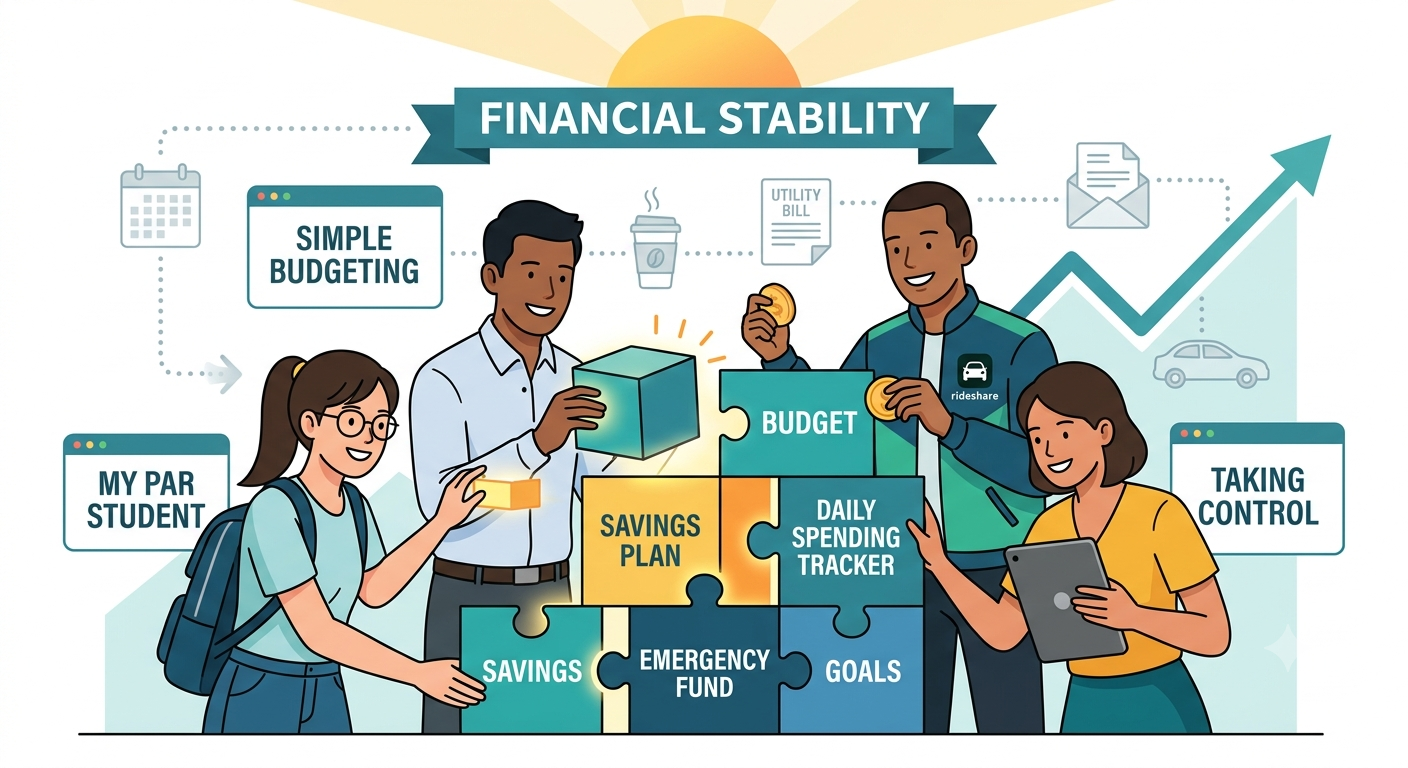
1. Track Every Expense
Small purchases often seem harmless, but they add up quickly. A RM8 coffee, RM15 food delivery, or RM20 online buy may not feel expensive alone, yet together they can reshape your monthly budget. Tracking every expense helps you spot spending patterns and find places to save. Record expenses daily instead of trying to reconstruct them at month-end—accuracy is much easier in the moment.
2. Create a Realistic Monthly Budget
A budget should fit your lifestyle instead of making you feel trapped. Start with your monthly income, then divide it into categories such as housing, groceries, transportation, utilities, savings, and personal spending. A realistic plan is easier to stick with because it leaves room for flexibility while keeping you financially responsible.
3. Set Clear Savings Goals

Saving is easier when you know what you are saving for—an emergency fund, a holiday, a new phone, or a future home. Clear goals keep you motivated. Even RM5 or RM10 a day can grow into a meaningful amount over time. Consistency matters more than the size of each contribution.
4. Separate Needs from Wants
Before you buy something, ask yourself whether you really need it. Needs cover essentials such as groceries, transport, rent, utilities, and medical costs. Wants include luxury shopping, daily bubble tea, extra streaming services, the latest gadgets, and impulse online purchases. Knowing the difference helps you protect essentials first and cut overspending without guilt.
5. Avoid Impulse Purchases
Flash sales and limited-time offers push people to spend without thinking. For non-essential items, wait at least 24 hours. That pause reduces emotional spending and helps you decide if the purchase is still worthwhile. If you still want it after a day and it fits your budget, then consider buying it.
6. Review Your Budget Every Week
Budgeting is not a one-time task. Check your spending weekly so you stay within plan and adjust early when something drifts. Short weekly reviews prevent end-of-month surprises and keep your goals on track. Even ten minutes on a Sunday can make a noticeable difference.
7. Build an Emergency Fund

Unexpected costs—medical bills, vehicle repairs, or home maintenance—can hit anyone. An emergency fund gives you peace of mind and reduces the need for loans or credit cards when something goes wrong. Aim to save at least three to six months of essential living expenses over time.
8. Reduce Unnecessary Monthly Expenses
Look closely at subscriptions and recurring payments. Many people pay for services they rarely use. Cancelling unused memberships, reviewing streaming plans, comparing mobile packages, cutting food delivery, and monitoring auto-charges are simple ways to save without changing your whole lifestyle.
9. Monitor Your Financial Progress
Budgeting is about progress, not perfection. Celebrate milestones such as hitting a savings target or sticking to your plan for a full month. Those small wins keep motivation high and make healthier money habits easier to maintain over the long run.
10. Use Digital Tools to Stay Organised
Finances are easier to manage when everything lives in one place. Digital tools help you record daily expenses, monitor income, track monthly budgets, and review spending patterns without notebooks or scattered spreadsheets. Apps like LoNeX are built for that kind of day-to-day clarity—whether you manage personal money, a small business, or e-hailing earnings.
Start Building Better Financial Habits Today
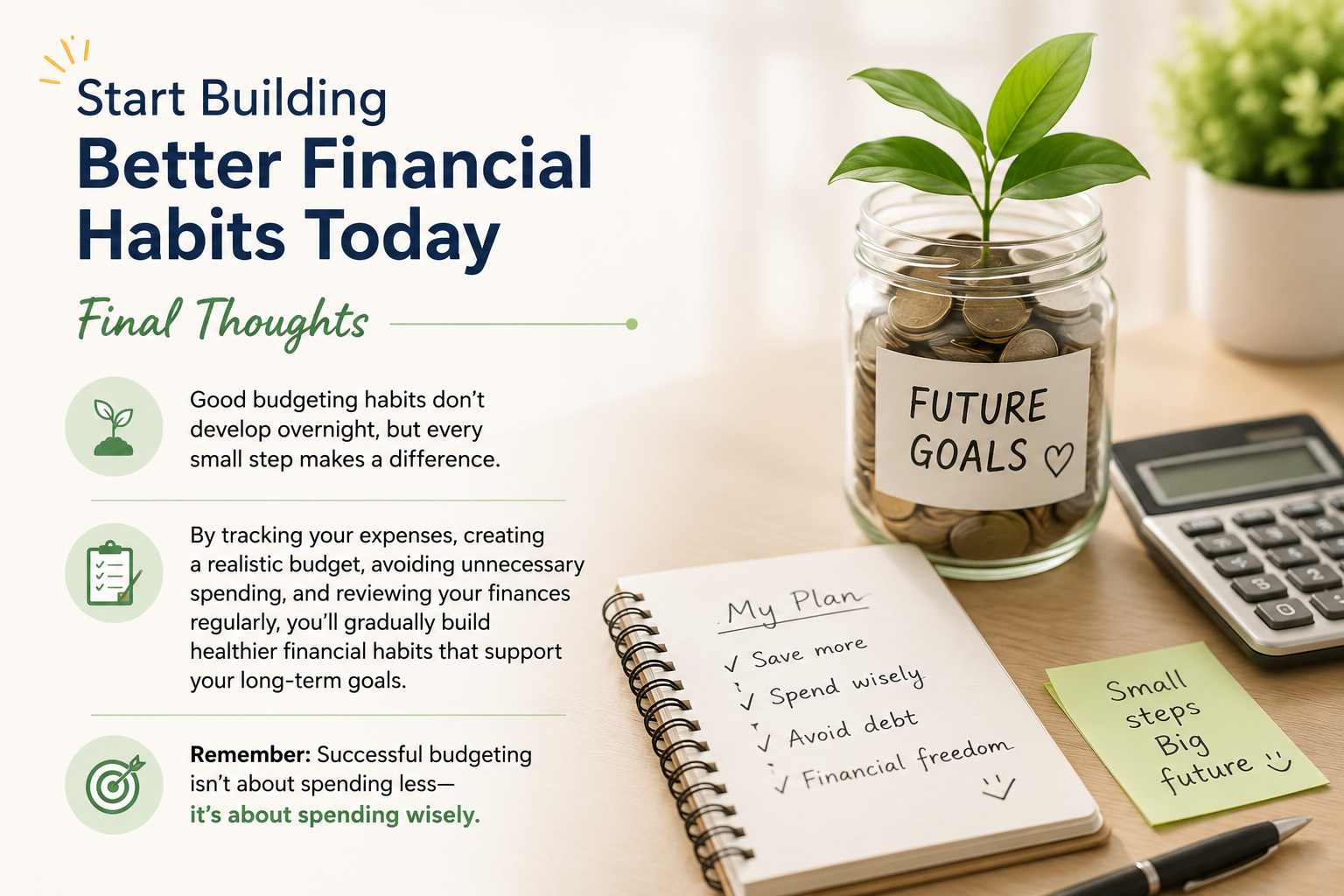
Good budgeting habits do not appear overnight, but every small step counts. By tracking expenses, setting a realistic budget, avoiding unnecessary spending, and reviewing your finances regularly, you build habits that support long-term goals. Successful budgeting is not only about spending less—it is about spending wisely.